










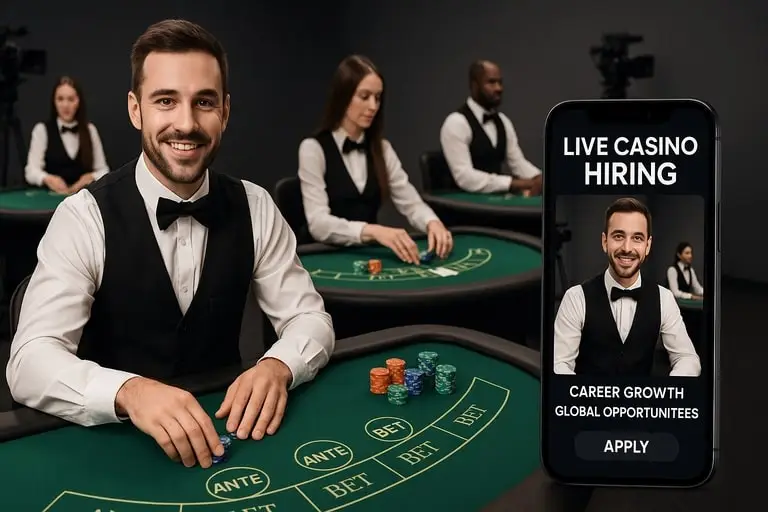
The landscape of online entertainment has expanded rapidly, and one of the fastest growing areas is live casino hiring. This process involves attracting, selecting, and training individuals who will become the face of the digital gaming industry. Unlike purely automated systems, live casinos rely heavily on professional dealers who create authentic experiences for players. The demand for such positions continues to rise, as more platforms aim to replicate the feel of traditional venues. For candidates, this surge creates a dynamic environment filled with possibilities for career building and skill development.
When discussing live casino hiring, it is crucial to recognize the qualities employers seek. Professionalism, clear communication, and strong mathematical ability remain essential. Dealers must not only handle cards or manage roulette wheels, but also interact with global audiences through streaming interfaces. The job requires patience, accuracy, and charisma, turning the dealer into both a performer and a responsible gaming guide. In this context, hiring live casinos means more than filling vacancies; it represents an investment in people who define the credibility and trustworthiness of the platform.
An often overlooked aspect of live casino hiring is the emphasis on adaptability. With online casinos operating across multiple time zones, flexibility in scheduling is highly valued. Shifts may vary to accommodate players in Europe, Asia, or North America. Successful applicants adapt quickly to changing demands, ensuring smooth operations. Moreover, the hiring process increasingly incorporates digital assessments, testing language proficiency and customer service skills. As a result, the process is as rigorous as recruitment for traditional hospitality roles, if not more demanding, given the constant visibility of dealers in front of the camera.
Live casino hire practices also highlight the importance of technology training. Dealers must learn how to manage interactive tools, digital chips, and security systems that monitor gameplay. Unlike land-based settings, where physical presence dominates, online platforms depend on a mix of technical and social skills. Employers prioritize candidates who can seamlessly transition between handling physical cards and controlling digital systems. This dual expertise underscores how live gaming recruitment has evolved, merging traditional competencies with modern requirements.
For aspiring professionals, the career path does not end with the initial live casino hiring process. Many platforms provide ongoing development programs, where dealers progress to supervisory or managerial positions. Training in compliance, responsible gambling, and multilingual communication enhances career prospects. The ability to climb the ladder distinguishes live gaming from other service roles, making it attractive to individuals who value progression. This explains why the live casino hiring process appeals to younger demographics seeking both stability and growth in a digital-first environment.
Equally important is the cultural and ethical dimension of hiring live casinos. Employers increasingly focus on inclusivity, ensuring diverse representation among dealers. Creating a welcoming environment for global audiences requires sensitivity to cultural norms and fairness in treatment. This shift aligns with broader corporate social responsibility goals in the gaming sector. Candidates who demonstrate awareness of these issues during the live casino hiring process often stand out, proving that the role involves more than technical proficiency alone.
Ultimately, live casino hiring reflects the transformation of the gaming industry. It combines tradition with innovation, offering unique careers to those who are prepared to engage both intellectually and emotionally. By integrating professionalism with entertainment, the role of the live dealer has become essential for building trust and enhancing the authenticity of digital casinos. The growing demand ensures that opportunities will continue expanding, rewarding those who pursue excellence within this specialized field.
Live Casino Hiring Process and Dealer Training
The live casino hiring process involves multiple stages that mirror the complexity of both hospitality and entertainment industries. Candidates typically begin with online applications, where they highlight their skills, languages, and availability. Recruiters evaluate these details alongside personality traits, since charisma plays a crucial role in engaging players. Video interviews often follow, providing employers with a direct sense of communication style and confidence. This modernized system ensures that only applicants who meet high standards progress further, setting the foundation for a reliable workforce.
A defining element of the live casino hire journey is the structured training that follows initial selection. Successful applicants undergo comprehensive programs covering technical, operational, and social skills. Dealers learn to manage camera setups, interact through streaming platforms, and maintain accuracy in fast-paced games. They also receive guidance on legal compliance, ensuring every game adheres to jurisdictional requirements. By combining these elements, training elevates new hires from enthusiastic candidates into polished professionals capable of representing a casino’s brand globally.
The hiring live casinos approach is not limited to skill-building alone; it also emphasizes confidence in presentation. Dealers often undergo coaching in voice modulation, body language, and timing. Since online players interact through digital screens, subtle details can significantly influence perception. A calm tone, steady movements, and precise instructions create a sense of trust. Employers recognize that building this confidence is vital to long-term success, making personal development central to the live casino hiring process.
Another critical stage of recruitment includes simulated game sessions. Here, candidates demonstrate their ability to apply learned skills in realistic environments. Supervisors assess reaction times, accuracy in dealing, and composure under pressure. These practical tests reflect the real-world demands of live gaming recruitment. Mistakes during practice become valuable learning opportunities, preparing dealers for actual sessions where thousands of players may be connected simultaneously. This emphasis on practical exposure differentiates live casino hiring from standard service industry roles.
The process also incorporates feedback loops, ensuring continuous improvement. Candidates receive assessments that highlight strengths and areas for development. For example, an applicant might excel in card handling but require improvement in camera awareness. Constructive feedback shapes the dealer into a more balanced professional. In this way, the live casino hiring process becomes both an entry point and a continuous journey, supporting candidates beyond the initial selection phase and helping them adapt to evolving industry standards.
Technology integration forms another pillar of hiring live casinos. Candidates must demonstrate comfort with digital platforms, payment systems, and anti-fraud technologies. As cybersecurity becomes increasingly important, dealers are trained to recognize irregularities and protect players. This responsibility highlights the trust placed in live casino professionals. It also illustrates the blend of entertainment and accountability that defines the sector, making recruitment not just about performance but about safeguarding the integrity of the gaming environment.
Finally, the broader context of live casino hire reflects the competitive nature of the industry. Employers strive to attract top talent, offering incentives such as flexible schedules, career growth, and multilingual opportunities. For candidates, understanding these dynamics proves essential. Recognizing the balance between professional demands and personal rewards helps applicants prepare effectively. With structured training, rigorous assessment, and technological immersion, the hiring process ensures that only the most capable individuals represent live casinos in the evolving digital marketplace.
Live Casino Hiring and Global Gaming Recruitment
The global expansion of digital gaming has elevated live casino hiring to an international scale. As platforms reach audiences across continents, the need for skilled professionals multiplies. Dealers who once served only local players now engage with participants worldwide, creating a demand for multilingual expertise. Hiring live casinos has therefore become a process that extends beyond geography, focusing on candidates capable of bridging cultural differences. This international orientation reshapes recruitment strategies, emphasizing adaptability and global awareness.
One of the defining features of global live gaming recruitment is the integration of advanced technology. High-definition streaming, virtual reality, and interactive chat tools place dealers at the heart of immersive experiences. To maintain engagement, the live casino hiring process increasingly evaluates a candidate’s ability to manage multiple streams of interaction simultaneously. Multitasking has become indispensable, as dealers must maintain focus while responding to players, handling chips, and monitoring automated systems. Employers prioritize applicants who can demonstrate comfort in this environment.
The international dimension of hiring live casinos also creates diverse career opportunities. Professionals may begin in one regional market before transferring to another, gaining exposure to different styles of play and regulatory frameworks. This mobility enhances career longevity, as dealers accumulate experiences that strengthen their expertise. For candidates seeking global careers, live casino hire offers a gateway into an interconnected world of gaming, where skills acquired in one region remain valuable across others. The career versatility inherent in this industry attracts ambitious professionals looking for sustained growth.
Cultural sensitivity represents another pillar of global live casino hiring. Dealers engage with players from varied backgrounds, each bringing unique expectations. Successful professionals recognize these nuances, adapting their communication and style accordingly. For example, a dealer addressing European audiences may emphasize clarity in language, while sessions with Asian players might highlight respectful interaction. Recruitment processes increasingly test for this adaptability, ensuring that new hires can meet international standards of professionalism and courtesy.
Beyond cultural factors, regulation remains a central concern in global live gaming recruitment. Jurisdictions differ widely in their laws, requiring dealers to maintain strict compliance with shifting requirements. Training programs therefore emphasize legal awareness, preparing professionals to operate across multiple regions. This regulatory knowledge strengthens the credibility of live casinos, reassuring players that games are conducted transparently. As a result, compliance has become a decisive factor in both recruitment and ongoing professional development.
The role of technology in safeguarding global live casino hiring cannot be overstated. Dealers must operate within systems designed to prevent fraud, manage payouts, and protect user data. Employers evaluate not only traditional dealer skills but also digital literacy and awareness of cybersecurity protocols. This dual responsibility makes live casino hire a multifaceted endeavor, combining entertainment with protective measures. For candidates, mastering this balance between hospitality and technical vigilance remains essential for long-term success.
In conclusion, global live casino hiring represents a transformative shift in the gaming sector. It aligns entertainment with professionalism, cultural adaptability, and technological expertise. The growing reach of online platforms ensures that opportunities for skilled professionals will continue to multiply, creating vibrant and rewarding careers. By embracing global perspectives, candidates entering this field position themselves at the center of one of the most dynamic industries of the digital age.
Casino Dealer Careers: A Complete Guide to Opportunities and Growth
The casino industry is one of the most dynamic sectors in global entertainment, offering a wide range of career paths for those interested in gaming, hospitality, and customer service. Among the most recognized and respected roles are casino dealer careers, which combine technical skill with interpersonal talent. From shuffling cards to hosting live dealer tables online, casino dealers are the face of the industry and play a vital role in ensuring fair play and customer satisfaction.
For anyone considering entering the gaming sector, understanding the responsibilities, skills, training, and opportunities available in casino dealer careers is essential. This guide explores everything you need to know about becoming a dealer, from the basics of the job to long-term career progression.
What Are Casino Dealer Careers?
At their core, casino dealer careers revolve around managing table games such as blackjack, roulette, poker, and baccarat. Dealers are responsible for overseeing gameplay, ensuring rules are followed, handling chips and payouts, and creating an enjoyable atmosphere for players.
In both land-based and online live casinos, dealers are central to the gaming experience. Their professionalism and interaction can influence how players perceive the casino itself, making this role both challenging and rewarding.
Responsibilities of a Casino Dealer
To fully understand casino dealer careers, it’s important to look at the daily responsibilities:
Managing Games – Running tables smoothly by shuffling, dealing, and spinning wheels.
Enforcing Rules – Ensuring fairness and compliance with regulations.
Handling Transactions – Exchanging chips, calculating payouts, and managing bets accurately.
Customer Interaction – Engaging with players to create a welcoming and entertaining environment.
Monitoring Security – Watching for irregularities or cheating attempts.
These tasks require sharp focus, quick calculations, and strong communication skills.
Skills Needed for Success
The most successful professionals in casino dealer careers share a unique blend of technical and personal skills:
Mathematical Ability – Quick mental arithmetic for bets and payouts.
Attention to Detail – Spotting mistakes or irregularities during play.
Communication – Creating rapport with players and explaining rules clearly.
Professionalism – Maintaining composure in busy or high-pressure situations.
Dexterity – Smoothly handling cards, chips, and dice.
As live online casinos expand, digital communication skills are also becoming increasingly important.
Training and Education for Casino Dealers
Most casinos do not require formal higher education, but training programs are crucial. Those interested in casino dealer careers often attend specialized dealer schools or complete in-house training sessions provided by operators.
These programs typically cover:
Rules and mechanics of table games.
Proper dealing techniques for cards and chips.
Casino security protocols.
Customer service training.
In regions with regulated gaming markets, certification or licensing may also be required.
Career Opportunities in Land-Based Casinos
Traditional casinos continue to be a major employer for dealers. In these environments, casino dealer careers often start with entry-level positions at low-stakes tables. Over time, experienced dealers can move to high-limit rooms, VIP sections, or supervisory roles.
Land-based opportunities include positions in global casino hubs such as Las Vegas, Macau, and Monte Carlo, as well as regional casinos worldwide. These venues offer both steady employment and the excitement of working in a vibrant entertainment setting.
Opportunities in Online Live Casinos
The growth of online gambling has transformed casino dealer careers by introducing live dealer roles. In this format, dealers host games in professional studios, streaming the action directly to players’ devices.
Live dealer jobs combine traditional dealing skills with digital interaction, requiring hosts to manage gameplay while engaging players through chat features. These roles are in high demand as online casinos expand globally, providing a new career path for aspiring dealers.
Career Progression and Growth
One of the most appealing aspects of casino dealer careers is the potential for advancement. With experience, dealers can move into:
Pit Boss Roles – Supervising multiple tables and managing dealer teams.
Casino Management – Overseeing entire gaming floors or online operations.
Training and Recruitment – Teaching new dealers and ensuring quality standards.
Specialized Roles – Such as tournament hosting or VIP services.
Some dealers also transition into related fields such as hospitality management or online casino operations.
Salary and Earnings Potential
Earnings in casino dealer careers vary depending on location, experience, and type of casino. Base salaries may range from modest entry-level pay to higher wages in luxury resorts or international hubs.
In land-based casinos, tips can significantly boost income, especially at high-stakes tables. Online live dealers may not receive tips but often enjoy steady pay and long-term career stability.
Challenges of Being a Casino Dealer
Like any profession, casino dealer careers come with challenges:
Irregular Hours – Casinos operate 24/7, requiring night and weekend shifts.
Repetitive Motion – Continuous dealing and chip handling can be physically demanding.
High Pressure – Managing disputes, fast-paced play, and strict accuracy expectations.
Emotional Control – Remaining calm in the face of player frustration or big wins/losses.
Despite these challenges, many dealers find the work rewarding due to its dynamic nature and opportunities for growth.
The Future of Casino Dealer Careers
The future looks promising for those interested in casino dealer careers. The continued rise of online gambling ensures strong demand for live dealers, while traditional casinos remain popular global destinations.
Technology will play a greater role, with virtual reality and augmented reality expected to enhance live casino experiences. Dealers will continue to be central, bridging the gap between technology and human interaction.
Conclusion
For individuals interested in gaming, hospitality, and dynamic career paths, casino dealer careers offer exciting opportunities. The role combines technical skill with customer engagement, making it one of the most visible and respected positions in the casino industry.
From land-based tables to cutting-edge online studios, dealers are the heartbeat of casino entertainment. With proper training, discipline, and ambition, a career as a casino dealer can lead to long-term success, professional growth, and even management opportunities.
If you are exploring career options in the gaming sector, the message is clear: casino dealer careers provide not just a job, but a gateway into one of the most vibrant industries in the world.
Live Casino Hiring Process: A Complete Guide for Job Seekers
The rapid growth of the online gambling industry has created a surge in demand for live dealers and support staff. Unlike traditional casinos, online operators rely on professional hosts in dedicated studios to bring real-time games to life for players around the world. For job seekers, understanding the live casino hiring process is essential to secure a position in this fast-paced, highly competitive environment.
Whether you are considering a career as a live dealer, technical operator, or part of the support team, knowing how the hiring system works can make all the difference. In this guide, we will explore the full journey: requirements, application stages, interview expectations, training programs, and career opportunities available once you’re hired.
What Is the Live Casino Hiring Process?
The live casino hiring process refers to the structured steps operators use to recruit, evaluate, and train new employees for live dealer studios. It ensures that candidates meet professional standards, possess the right skill sets, and can deliver engaging, fair, and secure gaming experiences.
This process typically involves:
Submitting an application through a recruitment platform or company website.
Passing initial screening for qualifications and language skills.
Attending interviews or audition-style sessions.
Completing dealer or technical training.
Securing official contracts and onboarding.
Each stage is designed to assess both technical competency and personality traits suited for the live gaming environment.
Skills and Qualities Employers Look For
Before applying, candidates should understand the qualities most valued in the live casino hiring process. These often include:
Communication Skills – Clear and engaging speech, especially in English or other major languages.
Professional Appearance – Dealers represent the brand, so grooming and presentation matter.
Customer Service Orientation – Creating a friendly, welcoming atmosphere for players.
Attention to Detail – Ensuring accurate dealing, payouts, and compliance with rules.
Adaptability – Comfort with cameras, studio lights, and fast-paced environments.
For technical or support roles, skills in IT, broadcasting, or system management may also be required.
Application Stage
The first step in the live casino hiring process is submitting a strong application. Candidates are usually asked to provide:
A professional resume highlighting relevant experience.
Language proficiency certifications if applicable.
A cover letter emphasizing customer service or gaming experience.
A recent professional photo.
Applicants with previous casino, hospitality, or broadcast experience often stand out, but many studios also welcome newcomers who demonstrate potential.
Screening and Initial Interviews
Once applications are reviewed, shortlisted candidates move to the screening stage. The live casino hiring process often includes:
Online Tests – Assessing numeracy, memory, and situational judgment.
Video Introductions – Candidates may record short clips to demonstrate communication style.
First Interviews – Conducted virtually or in person, focusing on motivation, personality, and availability.
Employers use this stage to ensure applicants can meet the demands of a professional studio environment.
Audition and Practical Assessment
Unique to the live casino hiring process is the audition round. Candidates may be asked to host a mock roulette or blackjack session on camera to test:
Confidence under studio conditions.
Ability to interact naturally with invisible players.
Knowledge of basic game rules.
Technical skills in handling cards, chips, or wheels.
This is where personality often outweighs experience. A friendly, confident presence can be just as valuable as technical precision.
Training Programs
Successful candidates enter official training programs. Training is a core element of the live casino hiring process and typically lasts several weeks. It includes:
Game Mechanics – Learning rules, dealing techniques, and payout calculations.
Studio Procedures – Handling cameras, lighting, and streaming equipment.
Customer Engagement – Building conversational skills for live chat interaction.
Security and Compliance – Following licensing rules and fraud prevention measures.
Training ends with evaluations to ensure new hires meet company standards before being assigned to live tables.
Onboarding and Employment Contracts
The final stage of the live casino hiring process involves signing contracts and completing onboarding. This includes:
Providing identification documents and background checks.
Understanding salary structures, shift schedules, and benefits.
Attending orientation sessions about company culture and expectations.
Most live casino studios operate 24/7, so employees must be prepared for rotating shifts, including nights and weekends.
Career Growth Opportunities
The live casino hiring process doesn’t just lead to entry-level roles. With experience, employees can advance to positions such as:
Senior Dealer – Handling VIP tables or training newcomers.
Pit Boss or Studio Supervisor – Managing dealer teams and overseeing game fairness.
Operations Manager – Coordinating entire live casino departments.
Broadcast and Technical Roles – Ensuring smooth production of live games.
This progression makes the industry attractive for ambitious professionals seeking long-term careers.
Challenges in the Hiring Process
While exciting, the live casino hiring process is competitive and demanding. Challenges include:
Strict Appearance Standards – Professional grooming is often non-negotiable.
High Competition – Many applicants compete for limited studio roles.
Adaptation Pressure – New hires must quickly adjust to cameras and technical setups.
Work-Life Balance – Shift-based schedules can be challenging for some.
Candidates should be prepared for these realities to succeed in both the hiring process and the role itself.
The Global Outlook for Live Casino Jobs
The demand for live dealers is growing globally, with studios opening in regions like Europe, Asia, and Latin America. The live casino hiring process has therefore become standardized but may vary slightly by region. Some locations emphasize multilingual skills, while others focus more on technical adaptability.
As online casinos continue to expand, the industry will require thousands of new employees, making now an excellent time to pursue opportunities.
Conclusion
For anyone seeking a career in gaming and hospitality, understanding the live casino hiring process is the first step. From crafting a strong application and passing interviews to excelling in auditions and training, each stage is designed to identify candidates who can thrive in this high-energy industry.
The process may be competitive, but the rewards are substantial: stable employment, career growth, and the excitement of working at the intersection of entertainment and technology.
If you’re considering this path, prepare thoroughly, practice communication skills, and showcase professionalism at every stage. The live casino hiring process is your gateway to one of the most exciting careers in the modern gaming world.